
The other driver had no insurance, or drove off. In North Carolina that does not end your claim; it moves it to a different policy, with a different set of rules. Here is what to do, in order.
When a driver with no insurance hits you in North Carolina, the claim you expected to make against the other driver’s liability insurer has nowhere to go. The state anticipated this. Every North Carolina auto policy must include uninsured motorist coverage, and the coverage is written to pay exactly the damages the other driver’s insurer would have owed: medical bills, lost income, pain and suffering, and vehicle damage, up to your policy’s limits.
The practical problem is that the company paying is now your own insurer, and it will evaluate the claim the way any liability insurer would, including whether you shared fault. Joshua E. Palmer, Attorney at Law handles uninsured and hit-and-run claims across North Carolina. This page walks through the steps in order, the coverage that applies, and the two rules that decide whether the claim pays.
Treat it like any serious crash, with two additions. Call law enforcement and stay until the officer arrives; under N.C. Gen. Stat. § 20-166.1 a crash with injury or $1,000 or more in damage must be reported immediately, and for a hit-and-run the report is also the record your insurer will demand before it pays. Get the other driver’s name, address, license, and plate, and photograph their insurance card or the lack of one. Photograph the scene, the vehicles, and the road. Get medical care the same day even if you feel fine.
Then notify your own insurer in writing, promptly, that you have an uninsured or hit-and-run claim. Policies impose notice and cooperation conditions on uninsured motorist coverage, and a late or missing report is the first thing an adjuster reaches for. Give the facts of the crash, not a narrative of fault, and do not give a recorded statement about how it happened until you have talked to a lawyer.
| Step | Why it matters |
|---|---|
| Call law enforcement and stay at the scene | § 20-166.1 requires it for injury or $1,000+ damage; the report proves the crash and the other driver’s status |
| Collect the other driver’s identity and photograph everything | Establishes who hit you and that no coverage exists |
| Get medical care the same day | Ties the injury to the crash and starts the record |
| Notify your own insurer in writing | Uninsured motorist coverage has notice and cooperation conditions |
| Do not admit fault or give a recorded statement yet | Contributory negligence bars a North Carolina claim, including one against your own policy |
| Talk to a lawyer before accepting any valuation | Your insurer is now the adversary on this claim |
Uninsured motorist coverage, called UM, is the primary source. N.C. Gen. Stat. § 20-279.21 requires it on every North Carolina policy, protects insureds who are legally entitled to recover from the owners or operators of uninsured motor vehicles and hit-and-run motor vehicles, and sets the bodily injury limits equal to the policy’s liability limits, so a driver carrying the state minimum has at least $50,000 per person and $100,000 per accident in UM. Property damage UM pays for your vehicle, subject to a $100 deductible under the statute.
Two other coverages help. Medical payments coverage, if you bought it, pays medical bills promptly regardless of fault and regardless of the other driver’s status. And if the other driver has insurance but not enough, underinsured motorist coverage, UIM, fills the gap between their limits and your damages up to your own UIM limit; for policies issued or renewed on or after July 1, 2025, North Carolina requires UIM on every policy.
Because a UM claim pays what you would have been legally entitled to recover from the uninsured driver, your insurer steps into that driver’s shoes. It can contest liability, question the extent of your injuries, and argue that the medical treatment was unnecessary, just as the other driver’s insurer would have. It can also raise North Carolina’s contributory negligence rule. Under the common-law rule codified in part by N.C. Gen. Stat. § 1-139, an injured person whose own negligence contributed to the crash recovers nothing, and that defense is available to your own insurer on a UM claim. It is the reason the recorded statement matters so much.
The relationship is not entirely one-sided. Because you are the insurer’s own policyholder, the claim-handling rules in N.C. Gen. Stat. § 58-63-15 apply to how the company treats you, and an insurer that unreasonably delays or underpays a first-party claim exposes itself to remedies a third-party claimant does not have. A lawyer who handles UM claims uses both facts: the insurer must prove your contributory negligence, and it must handle your claim fairly.
You can sue an uninsured driver personally, and sometimes it is worth doing, but most uninsured drivers are uninsured because they cannot pay, and a judgment against them is often uncollectible. The UM claim is usually the real recovery, and your insurer, having paid, may pursue the driver itself. For a hit-and-run, the criminal case under N.C. Gen. Stat. § 20-166 is a separate track; a conviction and restitution order help, but the civil claim against your UM coverage does not wait for it.
Deadlines still run. The three-year limitation in N.C. Gen. Stat. § 1-52(16) governs the underlying claim, and your policy adds its own notice conditions. If you were hurt in a North Carolina car accident with an uninsured or unknown driver, the claim is built on the crash report, the medical record, and the policy language, and all three need attention early.
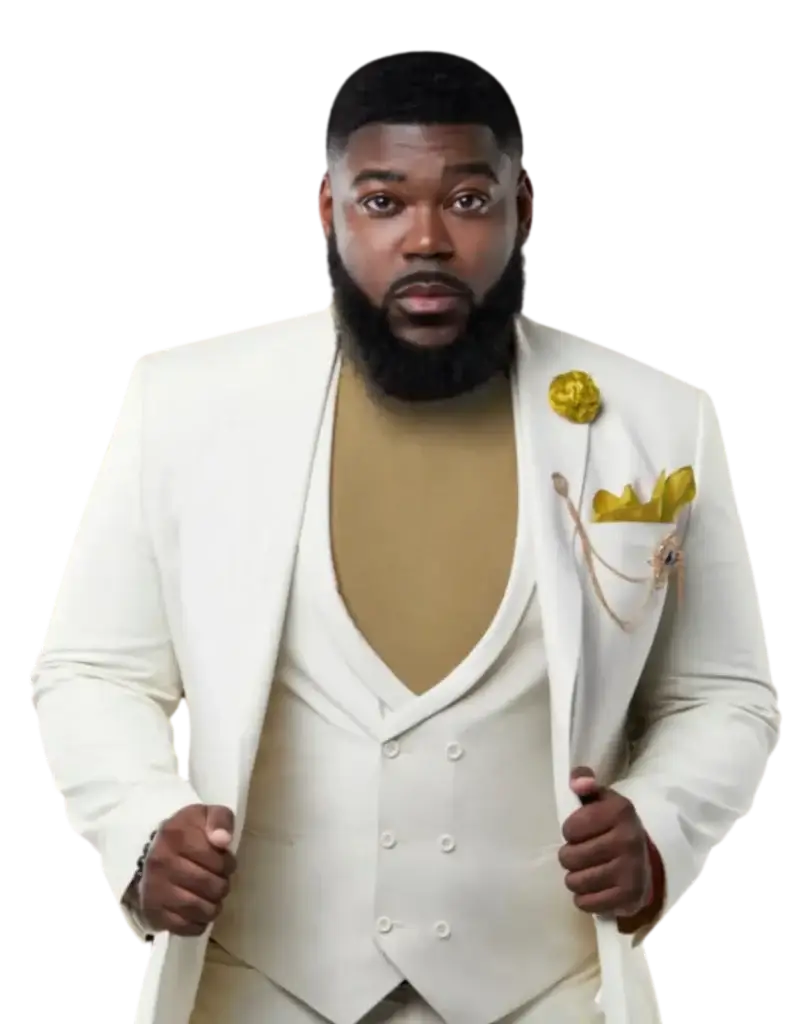
Joshua E. Palmer
Managing Partner · Joshua E. Palmer, Attorney at Law
Attorney Palmer concentrates in personal injury law and trained in North Carolina law at North Carolina Central University School of Law in Durham. These answers are the ones he gives clients across a desk, written down: direct, in plain English, and tied to the North Carolina rule that applies.
Hit by a driver with no insurance, or no name? Call for a free case review and we will read your policy and tell you what it actually covers.
Responsible attorney: Joshua E. Palmer, Managing Partner · 106 Moran Dr #5106, Bonaire, GA 31005 · (478) 887-3734. Attorney advertising. This page is general legal information about North Carolina law, not legal advice for your situation; contacting the firm does not create an attorney-client relationship.
Your own policy owes you what the other driver’s would have. We make sure it pays. Free consultation, no fee unless we win.
Each case is different. Any results, settlement figures, or benefit amounts described on this page depend on the specific facts of that case and do not guarantee or predict a similar outcome in yours. Statutes and benefit rates cited are current as of October 2026; confirm current law with an attorney before relying on it.