
People hesitate at crash scenes because they fear being sued. North Carolina answers that fear with two statutes. Here is who they protect, what they do not cover, and what they mean for the person who was hurt.
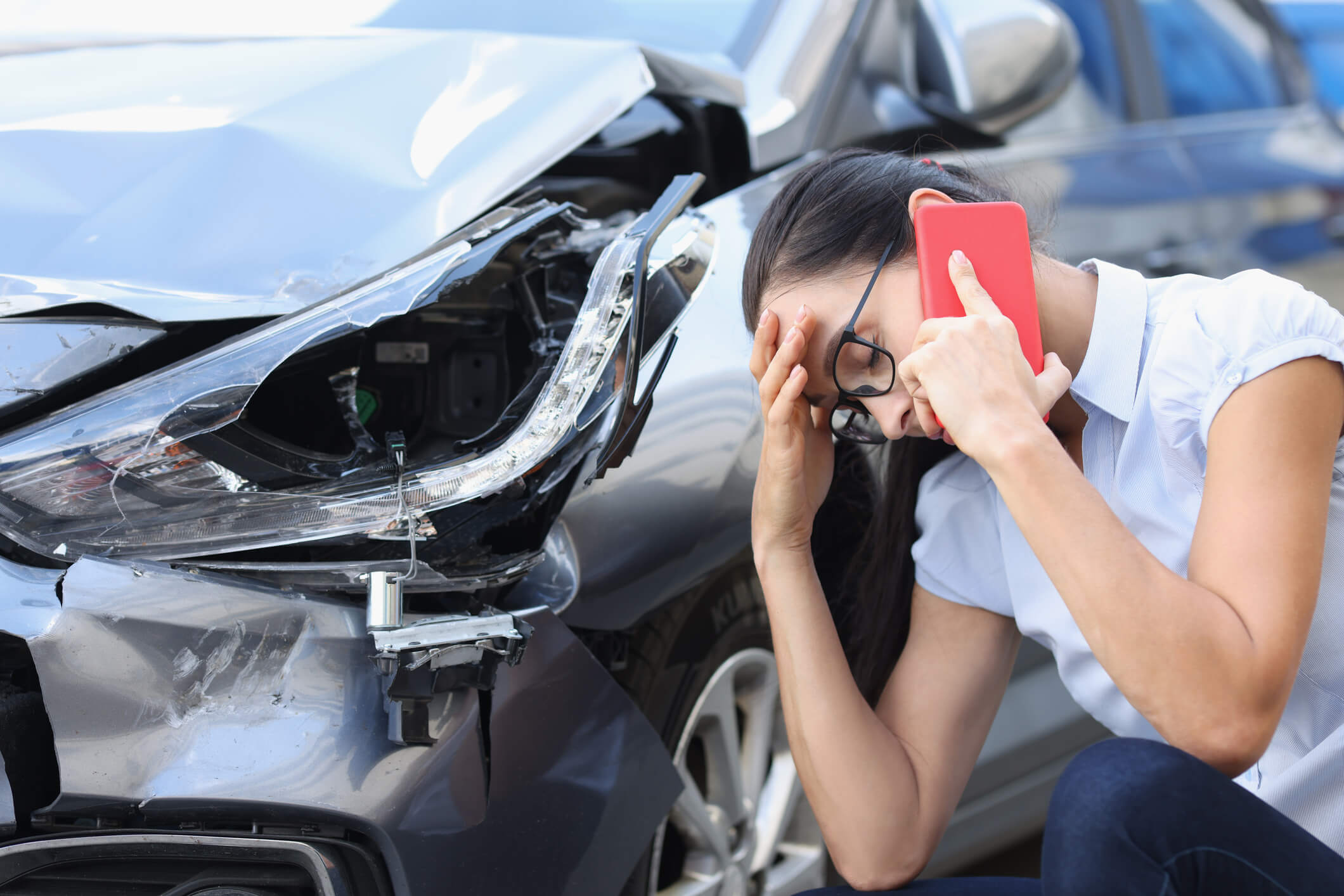
Also called: § 90-21.14, emergency aid immunity, first aid liability limitation
The first people at a North Carolina crash are almost never paramedics. They are other drivers, passengers, and neighbors, and the law wants them to help. Two statutes make that safe: a general Good Samaritan provision in the medical chapter of the General Statutes, and a crash-specific provision in the motor vehicle chapter that is even broader. Between them, a person who pulls someone from a burning car, starts CPR, or holds pressure on a wound cannot be sued for an honest mistake.
This page explains both statutes in their own terms: who is protected, what conditions must be met, what the protection does not cover, how the two sections fit together, and how the Good Samaritan law affects the injury claim of the person who was helped. Joshua E. Palmer, Attorney at Law represents people hurt in North Carolina crashes, many of whom owe their recovery to a stranger who stopped.
N.C. Gen. Stat. § 90-21.14(a) protects “any person,” naming volunteer providers at local health department facilities and nonprofit community health centers and volunteer rescue squad members specifically. The person must act voluntarily and without expecting compensation, rendering first aid or emergency health care to someone who is unconscious, ill, or injured. Two conditions describe the emergency: the reasonably apparent circumstances must require prompt decisions and actions, and the need for immediate treatment must be so apparent that delay would seriously worsen the person’s condition or endanger their life.
When those conditions are met, the helper is not liable for damages for injuries or death alleged to have resulted from an act or omission in giving the treatment, unless the injury or death was caused by gross negligence, wanton conduct, or intentional wrongdoing. The same subsection extends the immunity to anyone who uses an automated external defibrillator and otherwise meets the section’s requirements, which is why public-access AEDs can be used by bystanders without hesitation.
The motor vehicle chapter has its own rule, and it is broader. Under N.C. Gen. Stat. § 20-166(d), any person who renders first aid or emergency assistance at the scene of a motor vehicle crash on any street or highway, to any person injured in the crash, is not liable in civil damages for any acts or omissions relating to the services rendered unless they amount to wanton conduct or intentional wrongdoing. The crash provision drops the gross negligence exception, so at a crash scene even a grossly careless but not reckless helper is protected. Section 90-21.14(c) resolves any conflict between the two sections in favor of § 20-166(d).
The crash statute also tells drivers what they must do. Under § 20-166(a) and (a1), a driver who knows or reasonably should know that their vehicle was involved in a crash that injured or killed someone must stop immediately at the scene and remain there until an officer completes the investigation or allows them to leave, unless staying would put the driver or others at significant risk; a willful violation after a serious-injury or fatal crash is a Class F felony. The firm’s answer on whether a hit-and-run is a felony in North Carolina covers those duties in full. The Good Samaritan provisions protect the helper who stays; they do not excuse the driver who leaves.
Three things. First, the protection ends at gross negligence, wanton conduct, or intentional wrongdoing under § 90-21.14, and at wanton or intentional conduct under § 20-166(d); abandoning someone mid-treatment or attempting a procedure far outside one’s ability can cross that line, a bruised rib from CPR does not. Second, § 90-21.14(b) withholds the immunity from anyone providing health care in the normal and ordinary course of their business or profession, so an on-duty paramedic or a physician treating a patient is judged by the professional standard of care. The one exception: an unpaid volunteer provider treating members of an athletic team is deemed not to be acting in the course of business.
Third, the law protects people who help; it does not require bystanders to. North Carolina imposes no general duty on a passerby to rescue a stranger, and a person who drives past a crash violates no statute by doing so. The duties to stop and remain fall on the drivers involved in the crash under § 20-166, not on witnesses. Our gross negligence entry explains where ordinary carelessness ends and the unprotected conduct begins.
The person who was hurt still has a claim; it simply runs against the driver who caused the crash rather than against the stranger who helped. The helper’s immunity does not reduce the at-fault driver’s liability for any part of the injury, including harm that a reasonable bystander’s imperfect first aid may have added, because the at-fault driver is responsible for the foreseeable consequences of the crash. In practice, Good Samaritan immunity rarely changes the value of a claim; it changes only who can be named in it.
The law matters more when the helper is the one injured. A person struck by traffic while pulling a driver from a wreck has a claim against the driver whose negligence created the emergency, and North Carolina courts have long recognized that a rescuer’s decision to help does not by itself amount to contributory negligence. That matters here more than in most states: under North Carolina’s contributory negligence rule, any negligence by the injured person that contributed to the injury bars recovery entirely, so the rescue context is often what keeps a helper’s claim alive. The driver’s duty of care extends to the people foreseeably drawn to the scene.
Call 911 first, because dispatch can direct the aid and the call time becomes part of the record. Do not move an injured person unless fire or traffic makes staying more dangerous. Give the help you know how to give and stay until responders arrive; the statute protects a helper who acts in good faith within the limits of their ability. Note what you saw before the crash, because the people who stop are often the only independent witnesses, and the firm’s guide to the North Carolina crash report explains how that account reaches the official record.

Joshua E. Palmer
Managing Partner · Joshua E. Palmer, Attorney at Law
Attorney Palmer concentrates in personal injury law and trained in North Carolina law at North Carolina Central University School of Law in Durham. These pages explain the North Carolina rules he applies in client cases every week, in plain English, with the statute that sets each one.
Injured in a North Carolina crash, whether you were in the car or stopped to help? Call for a free case review and we will tell you who is responsible and what the claim is worth.
Responsible attorney: Joshua E. Palmer, Managing Partner · 106 Moran Dr #5106, Bonaire, GA 31005 · (478) 887-3734. Attorney advertising. This page is general legal information about North Carolina law, not legal advice for your situation; contacting the firm does not create an attorney-client relationship.
Whether you were in the car or stopped to help, tell us what happened and we will explain, for free, who is responsible under North Carolina law. No fee unless we win.
Each case is different. Any results, settlement figures, or benefit amounts described on this page depend on the specific facts of that case and do not guarantee or predict a similar outcome in yours. Statutes and benefit rates cited are current as of November 2026; confirm current law with an attorney before relying on it.
📞 Get A Free Consultation · (478) 887-3734